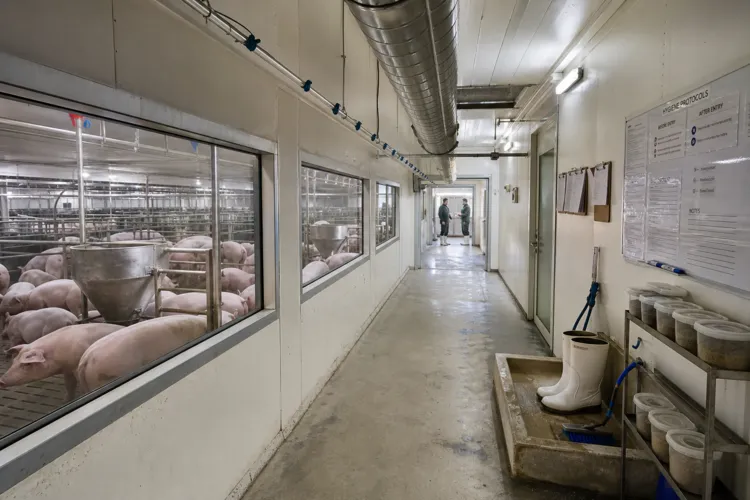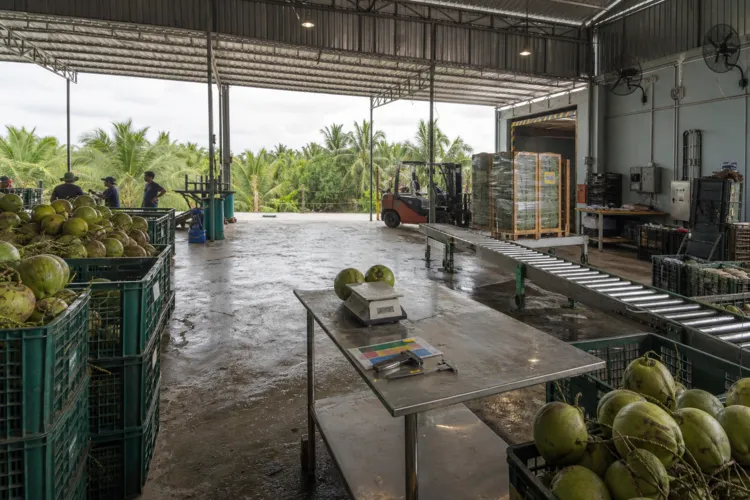

The idea of an eco-industrial park Vietnam is no longer theoretical. It is now a national strategy. Vietnam is upgrading its industrial zones into eco-parks where one factory’s waste becomes another factory’s resource. This model, known as industrial symbiosis, is designed to attract EU investors who demand sustainability, lower emissions, and circular production systems.
With more than 400 industrial parks, including 293 currently operating, Vietnam holds one of Southeast Asia’s largest manufacturing bases. The challenge is no longer scale. It is sustainability.
Why Vietnam Is Pushing Industrial Symbiosis
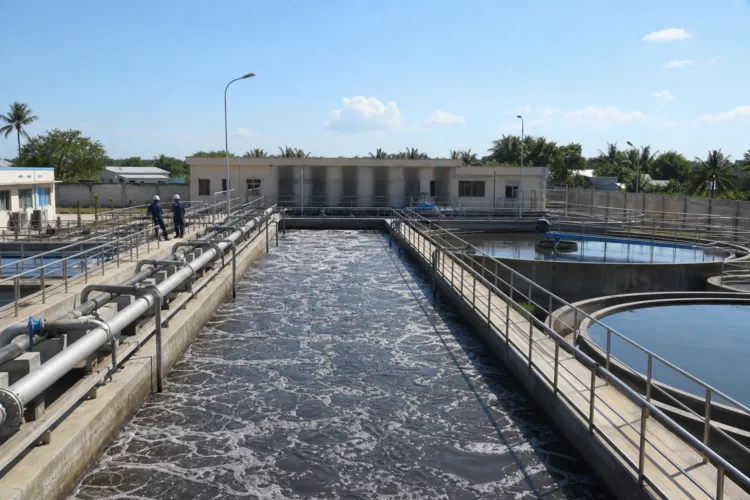
Industrial symbiosis helps factories reduce waste, save resources, and cut costs. In an eco-industrial park model, excess heat, water, or by-products from one company can fuel another. This reduces pollution and improves productivity at the same time.
Vietnam is working with UNIDO to push this transition. The goal is simple. Reduce waste intensity. Improve efficiency. And help manufacturers meet global environmental standards so they can access high-value export markets, especially in the EU.
Government plans focus heavily on the Southeast region and the Red River Delta. These areas are seen as ideal hubs for renewable energy, waste management, and green infrastructure investment.
Read Also: Vietnam Manufacturing Reshoring Trend: How 2025 Is Redefining Global Supply Chains
Eco-Industrial Park Vietnam Lessons From Global Symbiosis
The model is already proven elsewhere. Denmark’s Kalundborg Symbiosis shows what is possible. There, 17 companies exchange resources, saving 4 million cubic meters of groundwater each year and cutting 586,000 tons of CO₂ annually.
Globally, researchers have identified 999 symbiotic flows across 71 industrial parks. These exchanges show how waste loops can be optimized through data and cooperation. Vietnam is now applying these lessons at scale.
For EU investors, this matters. They are under pressure to reduce Scope 3 emissions. Eco-industrial parks make that possible.
Eco-Industrial Park Vietnam: Upgrading Parks to Compete for EU Investors
Vietnam has integrated eco-industrial parks into its national green growth plans. These upgrades require private funding, new technologies, and better infrastructure. But the payoff is clear.
Eco-parks offer energy security. They lower environmental risks. And they help companies meet strict EU rules on emissions, labor safety, and resource use.
Read Also: Vietnam Renewable Energy Push Spurs Wind and Solar Boom
As global supply chains tighten, investors prefer locations that already support closed-loop manufacturing. The framework of the eco-industrial park in Vietnam sends that signal clearly.
The Cost of Failing to Become Eco-Certified
Not every zone will succeed. Industrial parks that fail to gain eco-certification face growing risks. Sustainability-focused tenants are already leaving non-compliant zones.
Global brands in sectors like textiles and agro-processing now demand eco-standards from their locations. Zones that do not adapt risk losing major tenants, similar to how firms like LEGO and Nike prioritize green-certified sites.
This is no longer a future risk. It is a current reality.
Why the Eco-Industrial Park Vietnam Model Is Now Essential
The shift toward an eco-industrial park Vietnam model is about survival, not branding. Parks that embrace symbiosis stay competitive. Those who do not will fall behind. For companies and investors seeking deeper insight into Vietnam’s evolving industrial landscape, Market Research Vietnam by Eurogroup Consulting brings over 40 years of distinguished experience. With a strong focus on market research in the region, its team provides strategic guidance, local insight, and practical support to help clients succeed in Vietnam’s rapidly changing eco-industrial market.