
“Desks on demand” in Vietnam is increasingly about speed, certainty, and scalable space. In Ho Chi Minh City (HCMC), demand for coworking in 2026 has been led mostly by established companies that already have offices, not primarily by freelancers, according to Dreamplex. CBRE Vietnam data cited by Dreamplex shows that in the first half of 2026, relocation represented 39% of large office transaction area and expansion accounted for 32%. More than 80% of those tenants moved into Grade A or Grade B buildings completed within the past two to three years. In a market with limited new completions and Grade A supply concentrated in central wards, the negotiable variable becomes commitment length rather than headline rent.
Foreign direct investment is a clear demand catalyst, and it affects timing. Vietnam registered USD 38.05 billion in FDI over the first seven months of 2026, up 58% year on year, according to the Foreign Investment Agency (as cited by Dreamplex). HCMC captured more than USD 3.6 billion across 1,235 newly licensed projects, also cited by Dreamplex. Avison Young data referenced in the same source ties leasing demand in the second quarter to technology, finance, professional services, and FDI-backed companies, while central Grade A occupancy reached 92%. These occupiers often need a working address by a fixed date tied to licensing milestones, lease expiries, or client commitments, which makes flexible space a practical bridge.
From Hot Desks to Lockable Suites: What “Flexible” Now Means
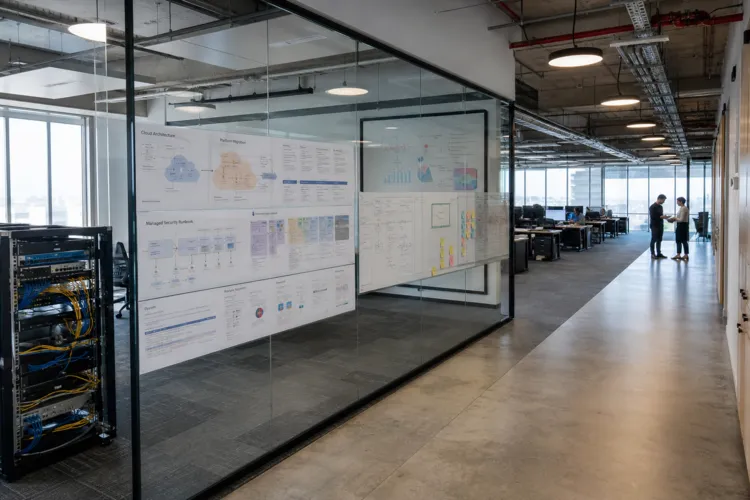
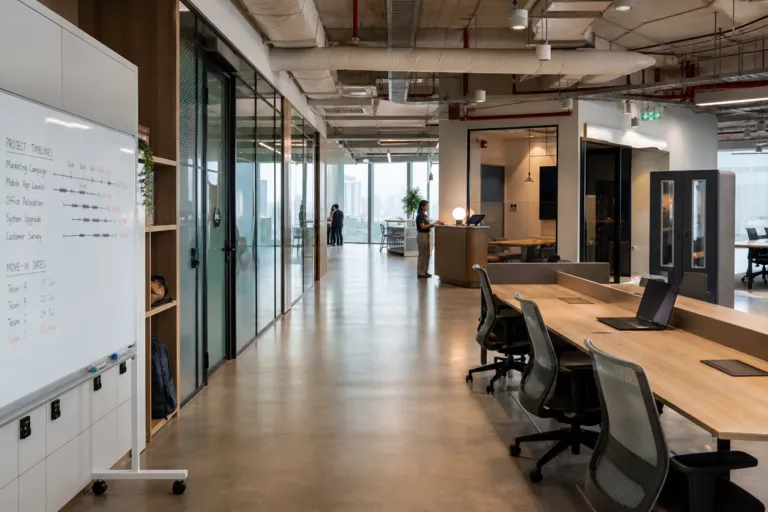
The product mix is also changing, which reshapes the Vietnam flexible office market narrative. Dreamplex notes that a large share of what operators sell in HCMC is now private and lockable, serving teams of 10 to 100 people, with shared floors positioned more as an amenity than the core product. Hot desks and day passes still exist, but Dreamplex argues they are no longer where leasing volume sits. This aligns with the way global research segments coworking between “open or conventional” and “corporate or professional” models, and highlights why quotes can differ: two providers may be pricing fundamentally different offerings, even when both are labeled “coworking.”
Local operators are responding by emphasizing ready-to-operate environments that reduce setup time. Vietnam Investment Review profiles Komune Coworking, which commenced operations in May last year and recorded an occupancy rate of over 60%, reflecting demand in the southern area of HCMC. The space offers hot desks, dedicated desks, and private offices, alongside meeting rooms, shared areas, pantry spaces, phone booths, and office services. The same article links rising interest to startups and SMEs seeking professional settings within a broader business community, and cites CBRE Group’s Occupier Sentiment Survey 2025 noting many organizations are considering relocating or restructuring offices to fit new operating models.
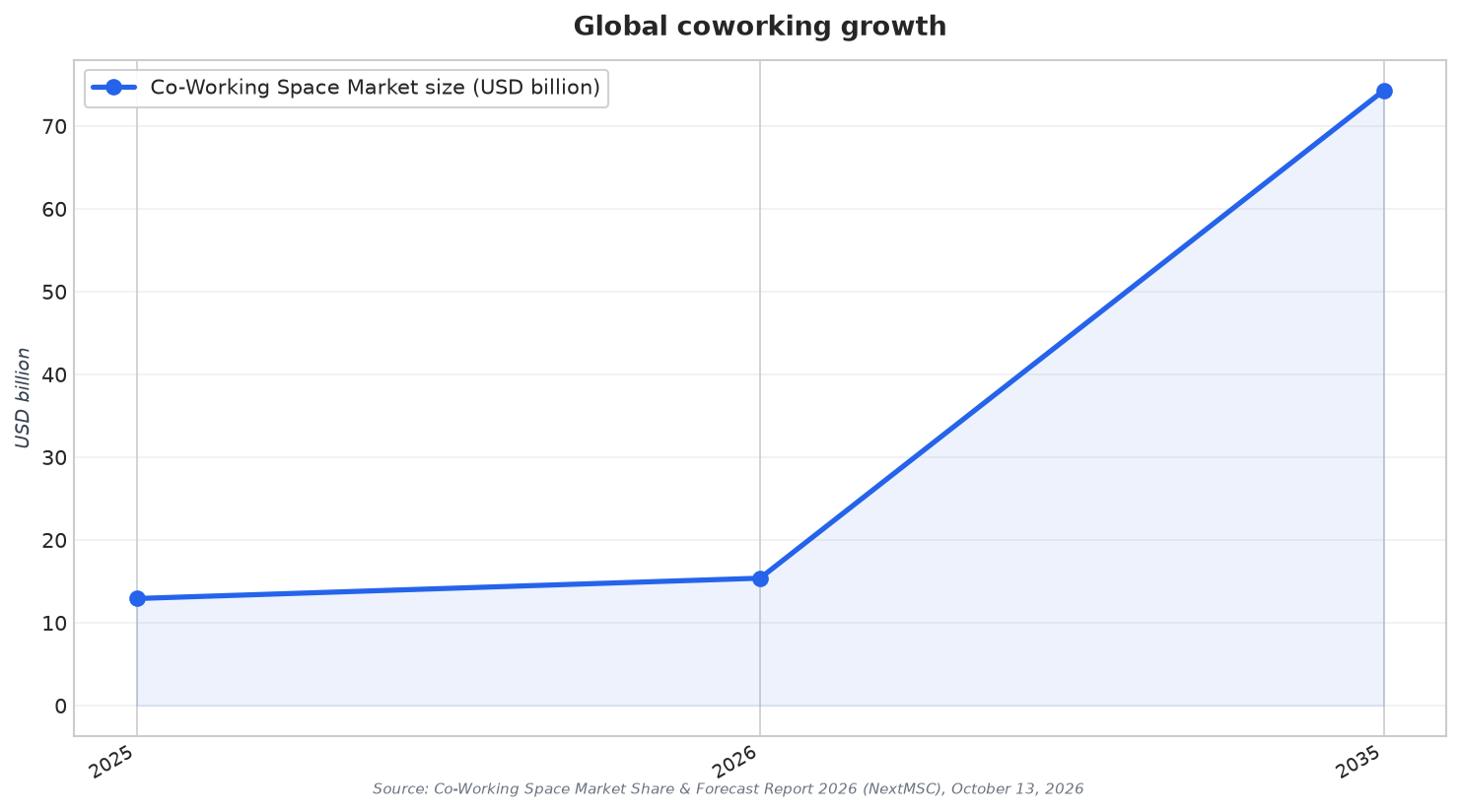
Vietnam’s shifts sit inside a global expansion of coworking and flexible office models, which gives context for operator investment and product design. NextMSC values the global coworking market at USD 12.93 billion in 2025, expects USD 15.39 billion by the end of 2026, and projects USD 74.28 billion by 2035, at a CAGR of 19.1% from 2026 to 2035. The Business Research Company estimates the global coworking market at $26.2 billion in 2025, growing to $30.12 billion in 2026, and reaching $53.46 billion in 2030 at a 15.4% CAGR, while noting Asia-Pacific was the largest region in 2025. MetaStat Insight places the global flexible office space market at USD 48.3 billion in 2025 and projects USD 132 billion by 2033, with coworking/hot-desk spaces valued at USD 16.8 billion in 2026. Together, these benchmarks help explain why Vietnam’s operators increasingly focus on enterprise-grade, bookable, and commitment-light space.
What is driving coworking demand in Ho Chi Minh City in 2026?
How tight is central Grade A occupancy in HCMC?
How is the Vietnam flexible office market shifting in product mix?
What FDI figures are linked to office demand pressure in 2026?
What occupancy has Komune Coworking reported?