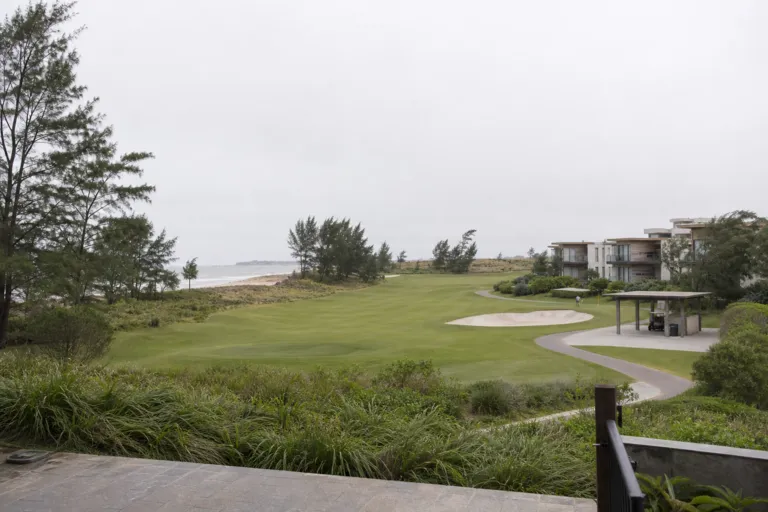
Vietnam is building momentum as a golf-led luxury destination, and the premium traveler opportunity is getting clearer by the season. The country has more than 80 international-standard golf courses, with many linked to resorts, coastal destinations, and luxury tourism hubs. That resort connection matters because it turns a round of golf into an end-to-end itinerary that includes accommodation, dining, and curated experiences. In the first nine months of 2025, Vietnam welcomed 15.4 million international visitors, a 21.5% year-over-year increase. In this context, Vietnam golf tourism becomes more than a niche; it becomes a high-yield way to package the country’s warmer, sunnier winter appeal with upscale hospitality.
Several signals point to why golf travelers are so attractive for premium operators. International golf tourists are estimated to spend three times more than other leisure travellers in Vietnam, and some even arrive by private jet. Demand is being pulled by golfers from the Republic of Korea, Japan, and Taiwan (China), drawn by relatively low costs, difficulty securing tee times at home, and seasonal weather advantages. On the ground, clubs are adapting with menus that cater to Korean and Japanese tastes, and some caddies can communicate in other Asian languages in addition to English. These service details reinforce a luxury standard: comfort, familiarity, and convenience.
What’s Powering Vietnam’s Golf Boom—and Where Premium Wins
Infrastructure and participation growth add weight to the story. Vietnam now has approximately 100 operational 18-hole golf courses, and plans target 200 courses by 2030. The R&A’s Global Golf Participation 2024 report found Vietnam recorded 279% growth in registered golfers compared to 2023, with a 26% female participation rate. Growth is also visible in traveler flows: one report cites year-over-year golf tourist growth of 18% in Vietnam in 2023. For premium brands, that means more sellable inventory—more tee times, more resort-linked stays, and more reasons to build high-touch services around golf.
Money is flowing through the category, and it shows up in both tourism and retail behavior. Vietnam’s golf tourism revenue is expected to move toward USD 1 billion, with the segment contributing around 8–10% of national tourism revenue. As golf tourism expands, equipment demand is rising beyond regular players to include travelers, beginners, rental users, and resort-based golfers, supporting sales through golf course pro shops and luxury retail channels. This is where premium positioning can widen: rental club quality, branded pro-shop merchandising, custom-fit offerings, and training accessories that enhance the trip’s “better-than-home” feel.
Globally, golf travel is already a large premium segment, offering helpful context for Vietnam’s opportunity. The global golf tourism market was valued at USD 12.4 billion in 2025 and is projected to reach USD 19.8 billion by 2034, with a 5.2% CAGR. International golf travel is also being reshaped by digital tools: resorts offering digital concierge services reported 23% higher booking conversion rates in 2023, and the market includes 1,270 international tournament events in 2023 that drive travel demand. For Vietnam, the premium play is to match course growth with seamless booking, concierge-level planning, and resort experiences that justify higher spend.
Why is Vietnam becoming a premium golf travel destination in Asia?
How fast is golf infrastructure expanding in Vietnam?
What do the latest sources say about growth in Vietnam golf tourism?
Which international markets are highlighted as key golf visitors to Vietnam?
What global trends matter most for operators building Vietnam golf tourism packages?