Vietnam’s economy has changed fast, and the next phase will be shaped by demographics. In 1990, the average Vietnamese could afford about $1,200 worth of goods and services a year, adjusted for local prices. Today, that figure is $16,385, rising by more than 13 times. Yet multiple reports warn Vietnam is “growing old before it gets rich.” That tension is why the Vietnam silver economy is gaining attention: it reframes aging from a pure fiscal burden into a market and productivity agenda that spans healthcare, work, and financial security.
Vietnam’s timeline for aging is becoming clearer in the data. Population projections based on medium fertility assumptions indicate that people aged 65 and older will account for 14.17% of the total population by 2036, marking the beginning of an aged population era. Separately, the country’s “golden population” window—when working-age people outnumber dependents—will close by 2039, and the labor force is projected to peak three years later. Those milestones matter for businesses and policymakers because they signal tighter labor supply and more pressure on social services, especially when families—and women in particular—remain the default caregivers.
From Demographic Pressure to Practical Policy and Business Demand
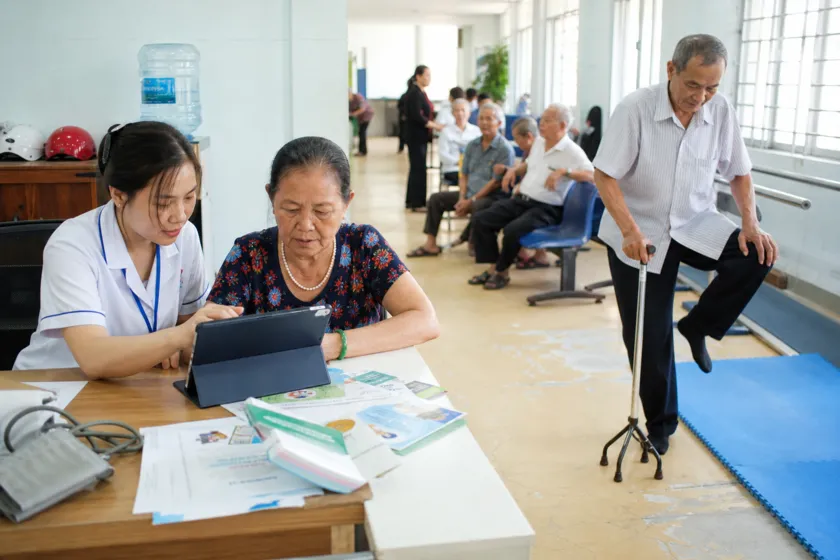
Several policy directions described in the sources align with building a silver-economy growth engine. Vietnam is expanding access to preventive healthcare so older adults can stay healthier and more independent. Experts also point to gradually raising the retirement age and drawing more women into the formal workforce to help offset labor gaps and promote “healthy aging.” The retirement system itself reveals a second set of opportunities and constraints. Vietnam’s social insurance system is compulsory and managed by Vietnam Social Security, primarily covering formal-sector employees. To qualify for a pension, individuals must contribute for at least 20 years, with benefits linked to years of work and salary history—yet low coverage for informal workers and insufficient pension amounts can push retirees to keep working.
The macro backdrop reinforces why adapting to aging matters now, not later. Vietnam’s leaders and analysts are already focused on renewing growth drivers such as exports, manufacturing, public investment, and foreign direct investment, while also seeking new ones like green investment and high-tech industries including semiconductors. Recent growth has been strong in places: Vietnam’s GDP was estimated to have grown 7.6% year on year in the second quarter, with first-half growth estimated at 7.3%, even as it was described as a “big challenge” to hit an 8% annual target. At the same time, the sources highlight external risks, including trade tensions and climate impacts, which increase the value of resilient domestic demand tied to older consumers and their needs.
Tourism and services add another channel for the silver economy to connect with broader growth. Vietnam recorded the highest growth rate in international tourist arrivals in Southeast Asia last year at 20.4%, and it received 21.2 million foreign visitors in 2025 while targeting 25 million this year. As Vietnam pushes a “new growth model” focused on innovation and the digital economy, the aging shift can become a catalyst rather than a drag—if preventive health, retirement readiness, and workforce participation move in step. The sources also underscore that government transfers to older adults remain insufficient, and that private savings plans and voluntary pension schemes are emerging among higher-income individuals. Together, those trends point to expanding demand for retirement products, health services, and age-friendly work—core building blocks of Vietnam’s silver-economy strategy.
What is driving Vietnam’s silver economy focus right now?
When does Vietnam enter an “aged population era” based on the sources?
How does Vietnam’s pension system shape silver-economy demand?
What policy moves are mentioned to support healthy aging and reduce labor gaps?
How strong are Vietnam’s recent growth and tourism signals in the sources?