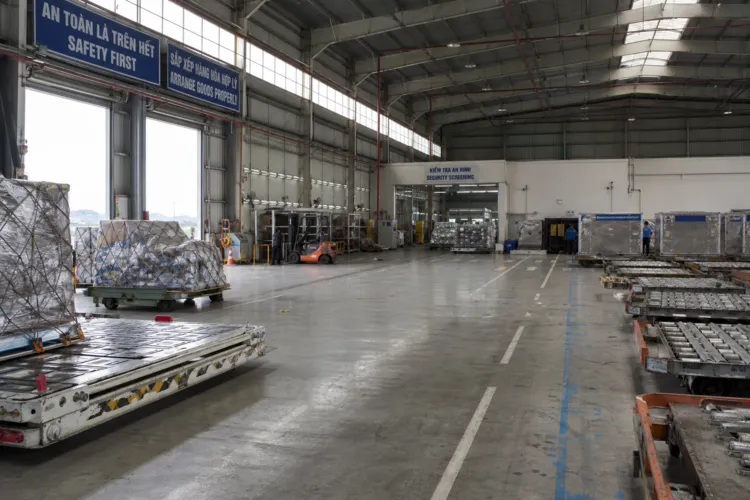
Vietnam’s cold chain is expanding, but the fundamentals still show a clear mismatch between demand and infrastructure. Multiple Vietnam-focused reports value the cold chain market at USD 1.2 billion based on five-year historical analysis, and link growth to rising consumption of perishable goods such as seafood and pharmaceuticals. At the same time, cold storage is described as the dominant revenue engine, accounting for over 88.0% of industry revenue in 2021 in one market study. This combination signals a simple reality: storage is central to performance, and any shortfall in cold rooms or warehouses can ripple across seafood quality and medicine integrity.
The cold chain shortfall is most visible outside major hubs. One report highlights that about 62% of Vietnam’s population lives in rural areas, where cold chain infrastructure is “severely lacking.” Another source cites the Ministry of Agriculture and Rural Development, stating that only 32% of rural areas have access to adequate cold storage facilities. Ken Research also describes the infrastructure as underdeveloped, with only 30% of the required cold storage facilities in place. In practice, that rural coverage gap complicates collection, consolidation, and stable-temperature handoffs for both seafood supply chains and temperature-sensitive pharmaceutical distribution.
Why Seafood and Pharma Feel the Cold Storage Shortfall First
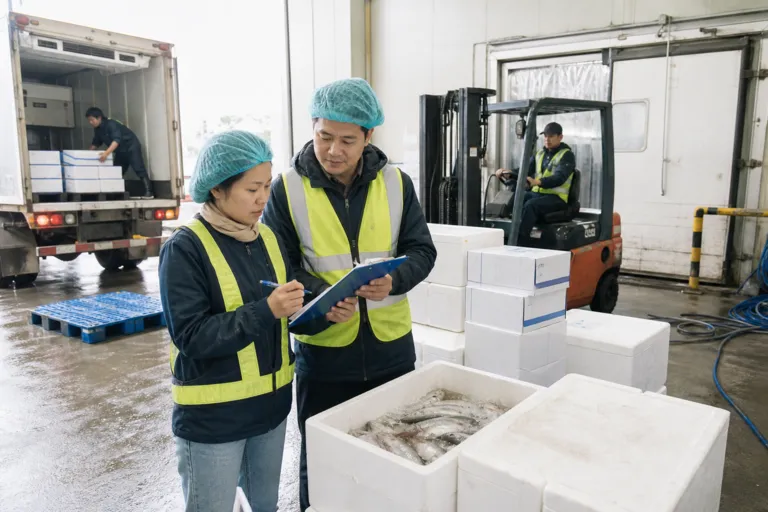
Seafood sits at the center of cold chain demand in Vietnam. A market report notes that meat and seafood lead by end-user revenue share, and it explicitly ties that to Vietnam being one of the largest exporters for seafood. Pharma demand is also rising: sources cite increasing demand for pharmaceutical products, vaccines, biologics, and other temperature-sensitive medicines as drivers of cold chain growth. When cold storage capacity and rural access lag, seafood exporters face more quality risk between harvest, processing, and port, while pharmaceutical players face tighter requirements that push them toward higher-spec storage and more controlled distribution lanes.
Cost pressure can widen the Vietnam cold chain logistics gap even when demand is strong. Ken Research estimates cold chain operational costs in Vietnam are about 20% higher than in neighboring countries, citing rising energy prices and maintenance expenses. The same source places the average cost of cold storage at around USD 150 per square meter, which it notes can deter investment in needed infrastructure. Another report links infrastructure gaps to major supply chain consequences, estimating post-harvest losses at USD 1.2 billion annually. Together, these figures help explain why expanding storage footprints and upgrading facilities can be slow, especially beyond the largest cities.
Competition and capability are improving, but unevenly. Industry sources describe a “highly fragmented” market with domestic and international players, and list examples such as Arctic Fox, Lotte Global, Lineage, and MKL among top participants. Another report states that large-scale 3PL cold chain companies played a major role in serving food and pharma sectors in recent years. Vietnam also benefits from logistics infrastructure progress, including “breakthrough” investment and development in seaports, which supports export-oriented cold transport. Still, regional context from an ASEAN market analysis notes that cold chain capability across the region remains uneven, reinforcing why Vietnam’s storage and distribution buildout must keep pace with seafood and pharma needs.
What is driving Vietnam’s cold chain market growth?
How large is Vietnam’s cold chain market in recent estimates?
How big is the rural cold storage access problem in Vietnam?
What does the Vietnam cold chain logistics gap mean for losses and costs?
Which sectors are most exposed to cold storage shortfalls in Vietnam?