
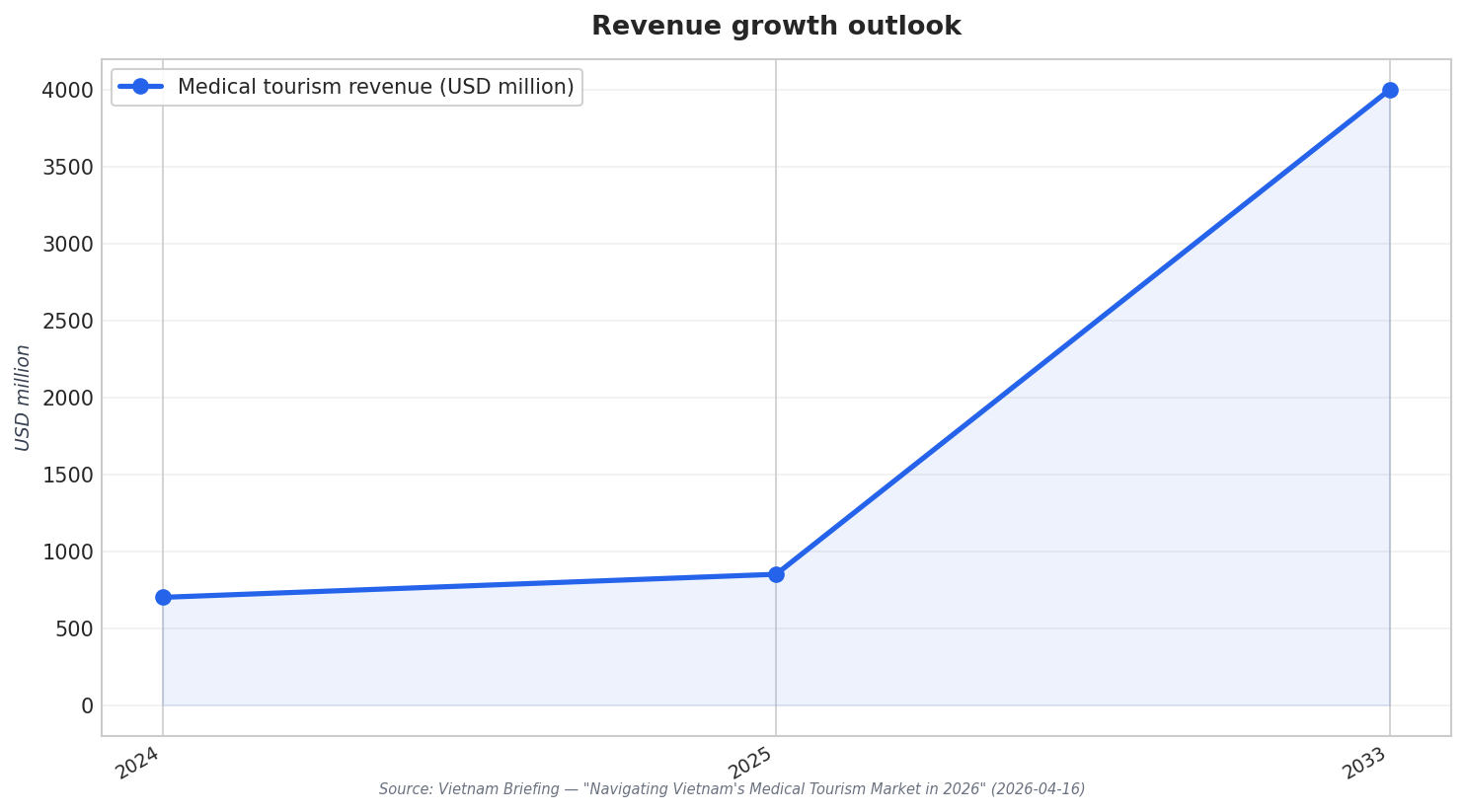
Vietnam is shifting from a leisure-first destination to a place where healthcare and travel intersect. According to the Ministry of Health, the size of Vietnam’s medical tourism market reached approximately US$700 million in 2024 and could increase to nearly US$4 billion by 2033, with an average growth rate of about 18% per year. Another health-sector statistic cited for 2025 puts medi-tourism turnover at $850 million, also described as maintaining annual growth of 18%. This momentum frames the conversation around the Vietnam medical tourism market 2026 as an early-stage opportunity that is scaling quickly, but still building depth in systems, partnerships, and patient trust.
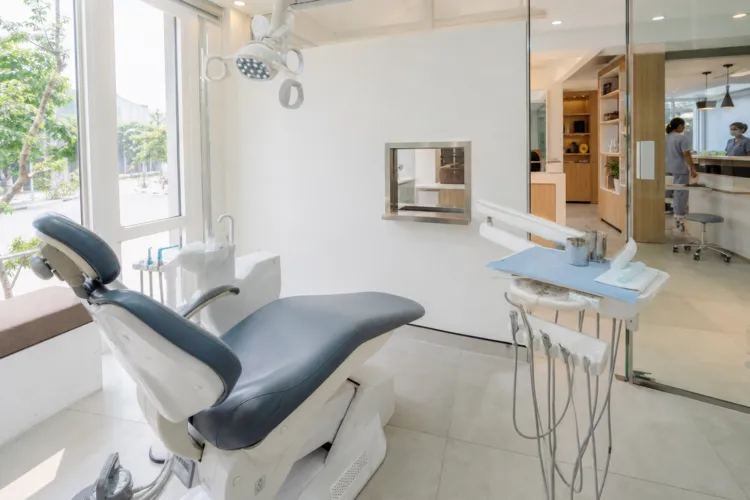
Cost is one of the clearest levers. Vietnam Briefing, citing the Ministry of Health, says Vietnam’s healthcare costs are 30 to 50% lower than those in Singapore and Thailand. Patient stories and price examples reinforce why certain procedures travel well. One Australian patient described paying less than $11,000 for a full-mouth implant surgery in Ho Chi Minh City, compared with a bill that “could be as much as $40,000” in Australia, along with a longer wait. The same source reports dental implants in Vietnam at about $1,000–$1,500 per tooth, versus approximately $5,000 in the US, helping explain why dentistry is repeatedly highlighted as a leading segment.
From Dentistry to Fertility: What Patients Are Actually Buying
Demand is expanding beyond fast procedures into specialized care that requires advanced techniques and longer treatment plans. Assisted reproductive technology is a prominent example. An IVF cycle in Vietnam is reported at approximately $5,000 to $8,000, described as two to three times lower than in the West. The same reporting says domestic IVF centers now have a success rate around 50–60%, presented as on par with many developed countries, and notes an increasing number of babies with foreign citizenship conceived in Vietnam. Alongside dentistry and fertility, services cited as emerging draws include cosmetic surgery, health screening, cancer treatment, robotic surgery, and traditional medicine-based rehabilitation therapies.
Policy design is also becoming more explicit. The Ministry of Health is seeking feedback on a draft plan to develop high-quality medical examination and treatment services, promote medical tourism, and attract both foreign and Vietnamese visitors. The draft aims for five key localities—Hanoi, Ho Chi Minh City, Da Nang, Quang Ninh, and Khanh Hoa—to implement an integrated medical tourism model by 2030 that links hospitals, hotels, resorts, and travel agencies. This kind of integration matters because medical travel depends on seamless non-clinical experiences, including accommodation and coordination, not just clinical outcomes.
Operationally, patient flows are already visible in Vietnam’s major hub. According to Ho Chi Minh City’s Department of Tourism, between 30–40% of patients seeking medical treatment in the city come from other provinces or overseas. While many international patients originate from neighboring Cambodia and Laos, the same source notes growth from the US, Australia, Canada, and Japan, as well as overseas Vietnamese communities. Officials and sources attribute competitiveness to cost efficiency, an increasingly skilled medical workforce, improving medical expertise, and Vietnam’s tradition of traditional medicine—advantages that support the longer-term revenue projections toward 2033 without relying on a single procedure category.
What is the projected size of Vietnam’s medical tourism market by 2033?
How did Vietnam’s medi-tourism revenue perform in 2025?
Why do patients choose Vietnam for dental procedures?
How competitive is Vietnam in IVF for international patients?
What should investors watch in the Vietnam medical tourism market in 2026?