Vietnam has moved to stop being a simple supplier of raw material. A revised Geology and Minerals Law approved by the National Assembly bans exports of unprocessed rare earth ore effective January 2026, with the Rare Earth Exchanges report and Shanghai Metal Market noting an effective date of January 1, 2026. Reuters also reports the law reaffirms an ore export ban that has been in place since at least 2021. The same Reuters report says Vietnam’s restrictions will have no immediate impact because the country has virtually no refining capacity at the moment. But the policy direction is clear: Vietnam is tightening the rules around who can extract value from its deposits.
Under the amended framework, rare earths are classified as strategic national assets under exclusive state control, and Reuters adds that “exploration, exploitation and processing activities must be strictly controlled.” Multiple sources state that foreign companies must either invest in domestic processing facilities or partner with state-approved operators. This approach is presented as a deliberate attempt to move up the value chain, shifting leverage from ore exports to midstream activity such as processing and separation. Several sources explicitly compare the strategy to Indonesia’s nickel export ban approach, framing Vietnam as a new pressure point in the rare earth supply chain as other export restrictions ripple through global minerals trade.
From Ore to Midstream: Building the Capacity Vietnam Lacks
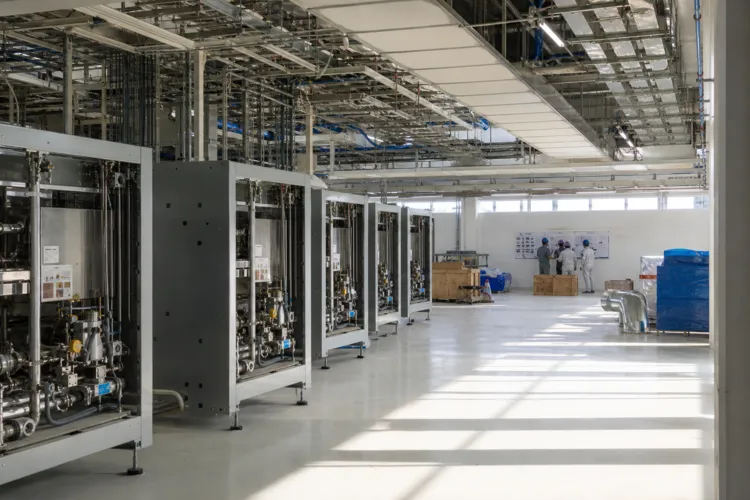
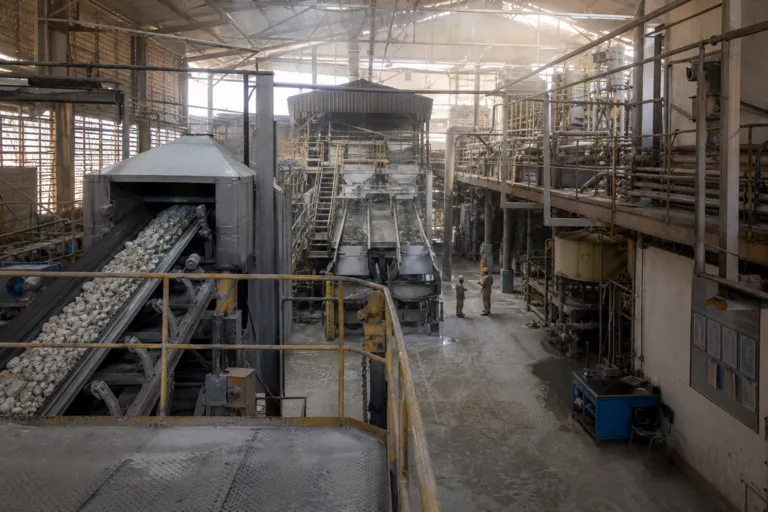
The policy is colliding with the current reality of limited domestic capability. Reuters and MINING.COM both stress that Vietnam has virtually no refining capacity, and that regulatory hurdles have long prevented exploitation of reserves by local enterprises and foreign partners. Reetracker provides a recent snapshot of upstream output, stating Vietnam’s 2024 rare earth production reached approximately 13,000 MT REO and was primarily exported to China for processing. That context helps explain why the new rules matter for vietnam rare earth processing: the government is effectively using export constraints and licensing pressure to steer capital and know-how toward in-country projects rather than continuing a ship-and-process-abroad model.
Vietnam is also reframing the scale and governance of its resource base. Reuters reports that the U.S. Geological Survey earlier lowered its estimate of Vietnam’s reserves to 3.5 million metric tonnes from 22 million tonnes. Rare Earth Exchanges likewise cites 3.5 million tons of resources and describes Vietnam as holding the sixth-largest global stash, while emphasizing stricter state planning, state-managed geological data, and government-designated enterprises. The Economy reports a plan to establish annual mining and advanced processing capacity of 900,000 tons by 2030, and adds that the government completed a first phase of rare earth potential assessments across 42 regions last year and launched a second phase of field surveys to build a national rare earth database.
Early signals of downstream investment are already being discussed. The Economy reports that LS Eco Energy announced plans late last year to invest $20 million to build a rare earth processing plant in Ho Chi Minh City. The same source says Washington pursued rare earth-related trade agreements with Vietnam and other ASEAN countries, including Malaysia, Cambodia, and Thailand, while South Korea is seeing accelerating market entry led by private-sector companies. For manufacturers and investors, the implication is that access to Vietnamese material increasingly depends on participating in Vietnam’s domestic industrial build-out. The ban on raw ore exports is not just a restriction; it is a gate that opens only toward local processing partnerships.
When does Vietnam’s ban on exporting unprocessed rare earth ore take effect?
Does Vietnam currently have large-scale refining capacity?
What does the revised law require from foreign companies?
What recent production figure is cited for Vietnam’s rare earth output?
What are the key signals for Vietnam rare earth processing capacity growth?