Vietnam’s last-mile delivery segment is being reshaped by rising e-commerce demand and consumer expectations for convenience and speed. The shift toward online shopping accelerated during the COVID-19 pandemic, according to the Vietnam E-commerce Association (VECOM), and that momentum has increased pressure on delivery networks to perform reliably in both dense cities and harder-to-serve rural regions. Major hubs like Hanoi and Ho Chi Minh City are described as bustling centers of e-commerce activity, while rural coverage remains a persistent operational test. A high preference for cash-on-delivery (COD) also adds complexity, because drivers and operators must manage payments alongside delivery execution.
Against that backdrop, market sizing signals why operators are racing to expand capacity and capabilities. The Vietnam Courier, Express, and Parcel Market was estimated at US$1.62 billion in 2024 and projected to reach US$2.53 billion by 2030, with a CAGR of 7.76%, based on data collated by Mordor Intelligence. The ecosystem supporting this demand is mixed. Traditional postal services compete with specialized providers and tech-driven startups. Established players such as Vietnam Post and Viettel Post are increasingly competing with newer entrants including GHN, AhaMove, and Ninja Van. International e-commerce-linked networks, including Lazada and Shopee Express, intensify competition and help push service innovation.
From Delivery Options to Micro-Fulfillment: What the Buildout Looks Like
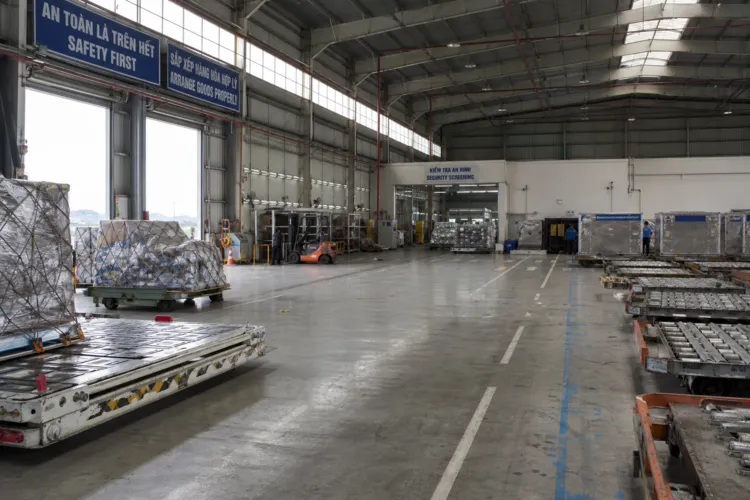
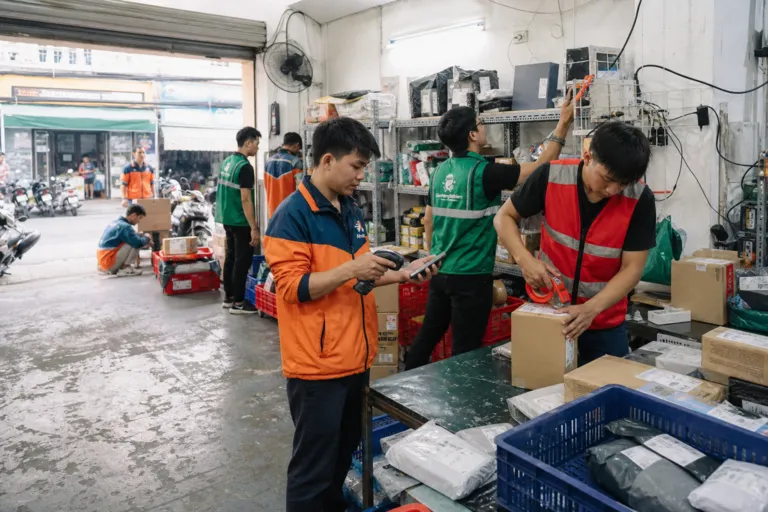
Service design is changing along with the network footprint, and that influences how operators plan facilities and inventory placement. Ken Research segments Vietnam’s e-commerce last-mile delivery platforms by service types including Standard Delivery, Express Delivery, Same-Day Delivery, Scheduled Delivery, Curbside Pickup, Return Services, and Others. Standard Delivery is described as the leading sub-segment due to cost-effectiveness and reliability, while Express and Same-Day Delivery are gaining traction in metropolitan areas as speed expectations rise. Scheduled Delivery and Curbside Pickup are increasingly adopted by omnichannel retailers to improve flexibility and customer experience. These shifts tie directly to how vietnam last mile delivery fulfillment centers and urban micro-fulfillment locations are positioned to shorten the path to the customer.
The end-user mix further shapes operational decisions. Ken Research describes segmentation by B2C, B2B, and C2C, with B2C dominating as e-commerce platforms proliferate and more shoppers opt for home delivery. B2B remains significant for inventory management and distribution reliability, and C2C is growing with peer-to-peer selling platforms and social commerce. In practice, this mix creates multiple “last miles” that may require different handling standards, pickup models, and delivery promises. It also helps explain why a broad set of players are active in Vietnam, including GHN, GrabExpress, Viettel Post, J&T Express, Ninja Van, Shopee Xpress, DHL eCommerce, Lazada Logistics, Vietnam Post (VNPost), BEST Express, AhaMove, TikiNOW, Gojek Vietnam, FastGo, and Lalamove.
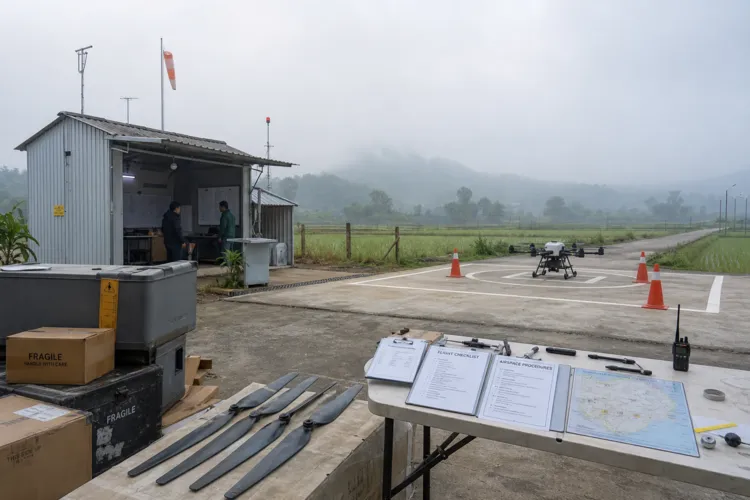
Execution still depends on solving local constraints. The-Shiv notes that infrastructure challenges such as congested urban roads, inadequate transport networks, and inconsistent address systems can make timely deliveries difficult in densely populated cities. At the same time, Expert Market Research highlights an ecosystem evolving with urban micro-fulfillment centers and digital logistics platforms, with automation, EV fleets, and smart route optimization shaping the country’s logistics future. It also points to expanded last-mile delivery services to rural regions and digital transformation initiatives that use technology and data analytics to streamline processes, manage inventory levels, optimize routes, and support timely delivery. Together, these trends frame a buildout that is not just about more drivers, but about smarter, closer, and more flexible fulfillment and delivery operations.
What is driving Vietnam’s last-mile delivery buildout?
How large is Vietnam’s courier, express, and parcel market according to the sources?
Which delivery service types are shaping network planning in Vietnam?
How are Vietnam last-mile delivery fulfillment centers being influenced by micro-fulfillment trends?
What are common operational challenges for last-mile delivery in Vietnam?