Vietnam’s construction cycle is expanding, and the numbers set the context for materials demand. Mordor Intelligence sizes the Vietnam construction market at USD 80.61 billion in 2026 and projects it will reach USD 115.78 billion by 2031, at a 7.51% CAGR. Residential captured 39.10% of market share in 2025, while new builds accounted for 67.76% of the market that year. Public funding led with a 62.34% share in 2025. In that environment, contractors and producers are being pushed to rethink what “standard” materials look like, because cost shocks and decarbonisation are arriving at the same time.
Price volatility is already reshaping procurement decisions. Vietnam News reports that in some localities, sand prices rose by up to 45% year-on-year, with certain areas nearing VND1 million (US$38) per cubic metre. Asphalt prices climbed nearly 32%, and cement and construction stone also recorded strong increases. The Vietnam Association of Construction Contractors warned that even short-term disruptions in fill-material supply could delay major infrastructure projects and raise financing costs. At the same time, Vietnam News notes that many steel and cement plants still rely heavily on fossil fuels, consume large amounts of energy, and generate high carbon emissions, making the old model of cheap extraction and low-cost production harder to defend.
Low-Carbon Cement: From LC3 Trials to Market Acceptance
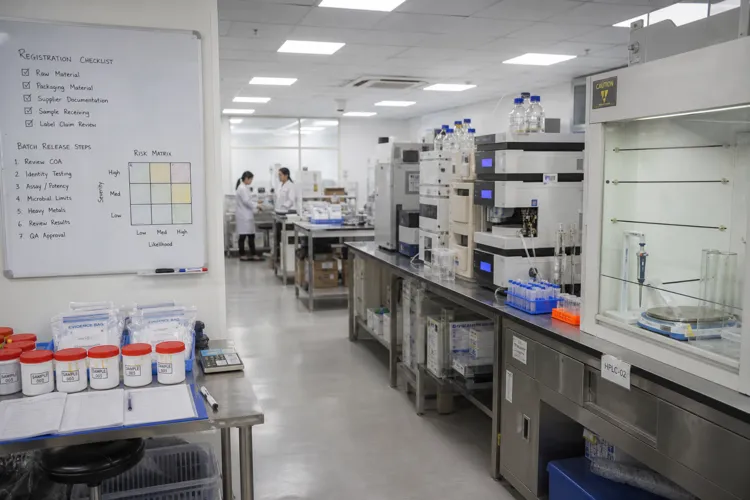
Vietnam’s low-carbon cement conversation is moving from theory to practical constraints. A Vietnam.vn report on LC3 (Limestone Calcined Clay Cement) explains that the approach partially replaces clinker with calcined clay and limestone, helping reduce CO₂ emissions during cement production. Experts at the “Calcined Clay Cement (LC3) - Applications and Practices” workshop highlighted three linked hurdles: reducing clinker production, utilizing existing production lines, and expanding consumer markets. Not all clay is suitable, so businesses need to survey, sample, and test raw materials before investing, moving step by step from lab testing to pilot production to confirm quality before scaling.
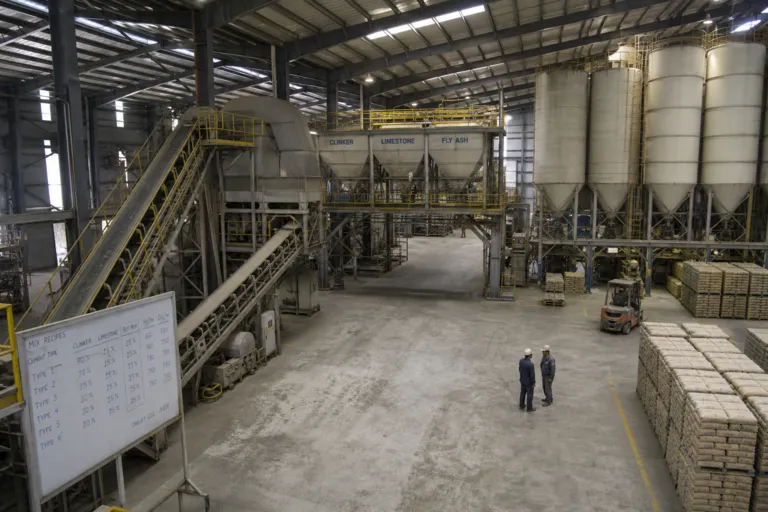
Blended cement is another channel for cutting clinker use, and it is being pulled by both project demand and regulation. IndexBox notes that government policies and green building certifications can incentivize or mandate low-clinker cement to reduce the construction sector’s carbon footprint. These blended variants incorporate supplementary cementitious materials such as fly ash and slag, but the transition introduces challenges around raw material sourcing and quality standardization. Trade rules also matter: Vietnam News reports that from 2026, steel and cement exporters will face growing pressure from mechanisms such as the EU’s Carbon Border Adjustment Mechanism (CBAM), potentially raising costs and weakening competitiveness for carbon-intensive producers.
Materials innovation is also showing up in how buildings are assembled and renovated. In prefabricated buildings, Mordor Intelligence reports concrete held a 50.78% share of Vietnam’s prefab market in 2025, while timber is projected to grow the fastest at an 8.28% CAGR through 2031, tied to carbon-reduction targets and broader acceptance of engineered wood in mid-rise projects. In home improvement, Mordor Intelligence says building materials held a 43.33% share in 2025, and highlights investments in low-carbon cement lines and logistics efficiency as ways some manufacturers manage price volatility. Together, these shifts are widening the practical toolkit for Vietnam green building materials, from cement chemistry to prefab design choices.
What is driving Vietnam’s shift toward lower-carbon cement?
What is LC3 cement, and why is it challenging to scale in Vietnam?
How are blended cements positioned in Vietnam’s construction demand?
Which materials lead Vietnam’s prefabricated buildings market, and what is growing fastest?
What should buyers look for when choosing Vietnam green building materials for a project?