Vietnam’s push to expand higher-value travel is creating tailwinds for healthcare-led trips, including the Vietnam medical tourism market outlook that points toward a $4 billion industry by 2033. The wider tourism engine is already running hot. In 2025, Vietnam recorded 21.2 million international arrivals, surpassing pre-pandemic levels, and the country was described as being on track for even higher numbers in 2026. This matters for medical travel because hospitals and travel partners benefit from more flights, more marketing, and stronger destination familiarity among regional and long-haul visitors.
Policy and promotion are also showing up in the data. Vietnam received over 9.2 million international tourists in the first five months of 2025, alongside 61.5 million domestic trips over the same period. From January to May, tourism revenue was estimated at VNĐ38.4 trillion (US$1.47 billion), a 24.7% increase year-on-year. Unilateral visa exemptions were linked to European market gains, including the UK (+19.5%), France (+19.8%), Germany (+16.1%), and Italy (+24.7%). For medical tourism providers, these trends can widen the pool for elective and recovery-focused travel that pairs treatment with longer stays.
Hospitals Are Designing Care for International Patients
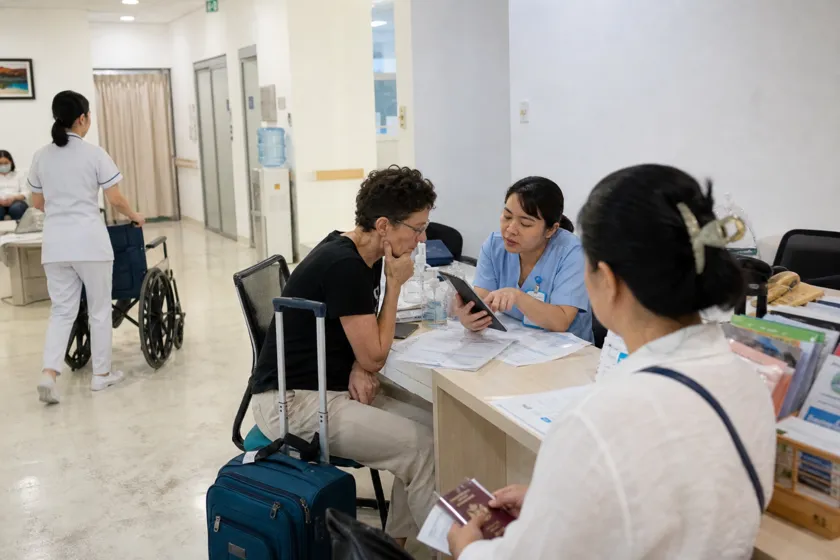
Clinical positioning and patient experience are becoming a clearer part of Vietnam’s pitch. A national strategy aims for Vietnam to become a recognized medical tourism center by 2025–2030. Vinmec, described as a leading private healthcare system driving this shift, is expanding its medical services portfolio to serve international patients through medical tourism and position Vietnam as an emerging destination for safe and accessible high-acuity care. The system has developed a “hospital hotel” care model and offers multilingual interpretation services, including Russian, plus prayer rooms and customized nutrition plans. It also highlights private recovery suites with five-star hotel–level amenities, reflecting an effort to reduce friction for patients traveling away from home.
Vietnam’s longer-term tourism roadmap reinforces the idea of competing on value, not just volume. By 2030, Vietnam’s targets include 45 to 50 million foreign travelers per year, with steady expansion of about 16–19% each year. Plans also point to around 160 million domestic trips and lodging capacity nearing 2.5 million rooms nationwide. Tourism may shape up to 14% of national output directly, while employment could reach nearly 12 million roles, with about a third being hands-on positions. For medical travel, these targets imply more accommodation options, deeper service supply chains, and a broader base of trained workers supporting patient journeys.
At the same time, Vietnam’s tourism leaders are frank about what needs to change. One industry voice said many tourism products are 10–15 years old and no longer compelling, emphasizing that sellers must focus on what customers need. Vietnam has also relied heavily on China and South Korea, which together accounted for 46% of total international arrivals, a concentration that creates risk if either market is disrupted. For the Vietnam medical tourism market, building durable growth means pairing hospital investment and trust-building with modern, differentiated travel experiences, while staying aligned with sustainability and green growth priorities built into the national tourism blueprint.
What is driving the Vietnam medical tourism market outlook through 2033?
How many international arrivals did Vietnam record in 2025?
What tourism targets does Vietnam have for 2030 that could support medical travel?
What patient services does Vinmec highlight for medical tourists?
What risks does Vietnam face from relying on a few inbound markets?