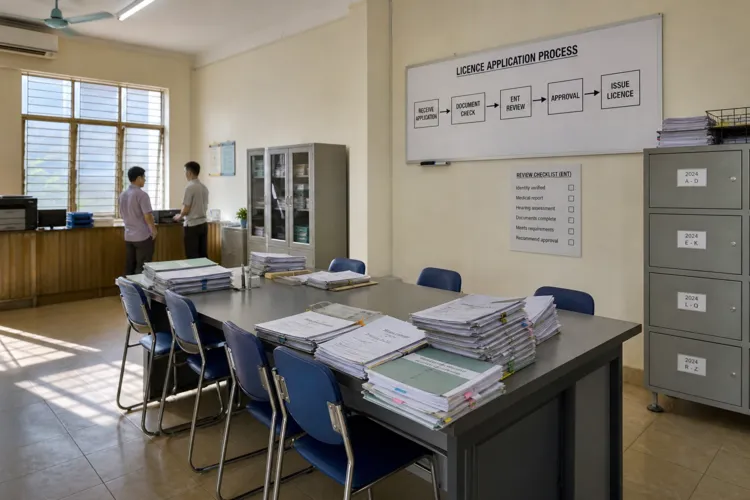
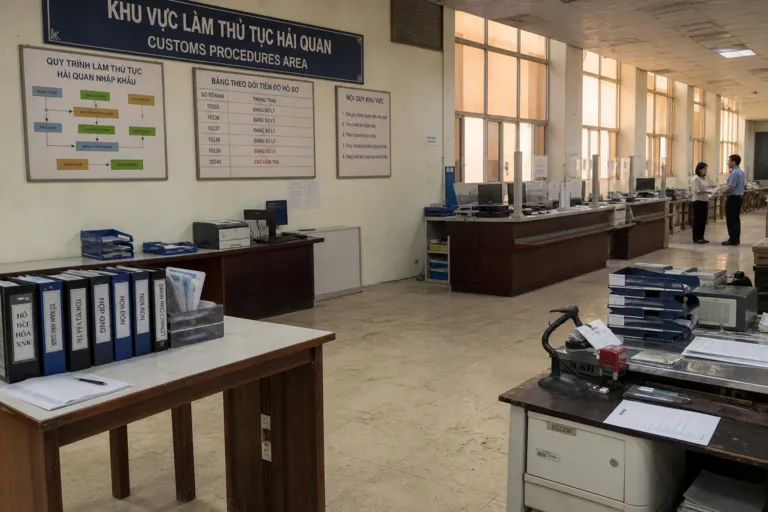
Vietnam is pushing customs operations further toward paperless, evidence-driven processes. The core legal framework remains the Customs Law No. 54/2014/QH13 (as amended), which governs declarations, inspection, supervision, and clearance for goods and transport vehicles entering, leaving, or transiting Vietnam. Within that foundation, the National Single Window mechanism matters because it influences how administrative procedures are executed and how an importer proves what was filed, what changed, and what the authorities returned. In June 2025, amendments were approved to further digitize procedures, including a requirement for priority businesses to connect their IT systems with customs for real-time data sharing.
The most immediate practical change comes from the new decree layer replacing the prior National Single Window decree. A compliance guide notes that, in the second half of August 2026, Vietnam’s Government issued a wave of decrees, including “a full replacement of the National Single Window decree,” with effective dates across the broader decree wave ranging from 19 August 2026 to 1 July 2027 and beyond. More specifically for cross-border procedures, Decree 336/2026/NĐ-CP was issued on 22 August 2026 and becomes effective on 15 October 2026. It regulates administrative procedures for goods exported, imported, or in transit, and for means of transport entering, leaving, or transiting Vietnam, via the National Single Window and the ASEAN Single Window mechanisms.
What Importers Should Expect: Evidence, Not Just “Electronic Filing”
Importers should treat the new procedure layer as an evidence-management problem, not just a customs submission task delegated to a broker. One logistics compliance analysis describes a common failure mode when a container is held at the border: teams can’t reconstruct the original filing, every amendment, the broker’s acknowledgement, and the authority’s latest response, because each party searches with different identifiers. The result can be screenshots, email attachments, and portal exports that show a status but lack the underlying source response, or include amendments without reasons. The same analysis flags an added risk: personal information about a consignor or recipient can be copied into shared investigation folders, creating avoidable privacy exposure while trying to “prove” what happened.
Documentation discipline still matters, even as procedures digitize. A 2025 customs guide lists common dossier items authorities may request depending on the type of imported goods, referencing Section 5 of Circular 39/2018/TT-BTC. Examples include a declaration form, bill of lading, certificate of origin, import permits for restricted goods, commercial invoice, packing list, and inspection reports, among others. Separately, guidance on import-export regulations stresses that documents must be accurate and consistent, with correct HS codes and product descriptions, and that certificates of origin must be valid to claim FTA tariff preferences. It also notes that from February 2025, the government ended the VAT/tax exemption for low-value e-commerce parcels, meaning even small online purchases are now taxed.
To prepare for the 15 October 2026 start date for Decree 336/2026/NĐ-CP, importers should map how internal shipment codes link to broker declaration numbers and carrier transport documents, then define what “complete” evidence looks like for each border event. Build a record that can answer: what was shipped, which evidence was lodged, who lodged it, what the authority returned, and what changed. If your organization is a priority business (or aims to be one), plan for the IT connection expectation described in the June 2025 amendments. When asked what the Vietnam National Single Window shift means in practice, the best answer is that it raises the bar for traceable, reconstructable, and privacy-aware customs evidence—across goods and transport, not just a single screen or PDF.
When does Decree 336/2026/NĐ-CP take effect for National Single Window procedures?
What is the legal foundation for customs declarations and clearance in Vietnam?
How do the 2025 amendments affect priority businesses in customs operations?
What documents may Vietnamese Customs request for imports?
What does the Vietnam National Single Window change mean for importer record-keeping?