Vietnam’s tourism strategy is increasingly about value per trip, not just headline visitor counts. VnExpress reports that the country is shifting focus from boosting visitor numbers to encouraging higher spending, including a specific emphasis on high-end Meetings, Incentives, Conferences and Exhibitions (MICE) tourism. That “spend-first” approach is grounded in current patterns: international visitors spend an average of US$1,200–1,400 per trip in Vietnam, while domestic tourists spend about 2.4–2.6 million VND (US$92–99). The same VnExpress report notes that around 70% of foreign visitors come from China, the Republic of Korea, Japan and Taiwan (China), while higher-spending markets such as the Middle East, Northern Europe, North America and Australia still represent relatively small shares.
On the market side, Mordor Intelligence estimates the Vietnam MICE market reached USD 7.28 billion in 2025 and projects expansion at a 5.97% CAGR to USD 10.31 billion by 2031. The mix matters because meetings dominate near-term revenue: meetings led with 44.78% of the Vietnam MICE market in 2025, while exhibitions are forecast to expand at an 8.05% CAGR through 2031. Revenue composition also signals how organizers monetize audiences: tickets and registration fees accounted for 41.92% of the market in 2025, while advertising is projected to grow at an 8.63% CAGR through 2031 as digital engagement and hybrid formats deepen sponsorship and media value.
Why Corporate Demand Makes MICE a “Money” Segment
One reason meetings translate into steadier income is corporate scheduling. Mordor Intelligence says corporate demand drives Vietnam’s MICE market, with manufacturing multinationals accounting for 37% of inbound meetings in 2025. It also notes this pattern reduces seasonality and stabilizes quarterly volumes, which is critical for hotels, venues, and airlines trying to plan capacity and pricing. By participation type, corporates accounted for 50.64% of the Vietnam MICE market in 2025, while associations and NGOs are forecast to post a 6.60% CAGR through 2031. Put together, Vietnam’s MICE positioning is not just about filling rooms, but about keeping calendars full throughout the year with repeatable corporate programs.
Geography and connectivity shape where that growth lands. Mordor Intelligence reports Southern Vietnam held the largest share at 47.85% of the Vietnam MICE market in 2025, while Central Vietnam is projected to grow at a 7.02% CAGR through 2031. The same report ties momentum to upgrades and administrative changes, citing improved connectivity and integration. It also links inbound growth to relaxed visa rules, including 90-day e-visas and broader exemptions, which increased inbound volumes in 2024 and supported business travel into 2025. Ken Research similarly frames Southern Vietnam as the leading commercial cluster because Ho Chi Minh City functions as the main international gateway and corporate travel center.
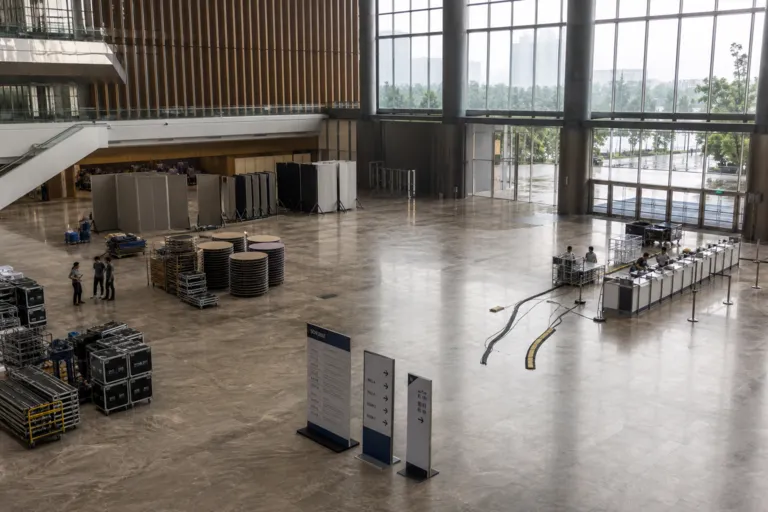
Infrastructure is being framed as a practical enabler for higher-spend events. Mordor Intelligence highlights government-backed transport and venue upgrades to improve calendar utilization, including Sun Group’s expansion of Phu Quoc International Airport to handle 20 million passengers annually, aligned with APEC 2027 requirements. It also reports the Ministry of Planning and Investment reduced permitting lead times from nine months to under four through a one-stop desk, accelerating venue delivery. Ho Chi Minh City’s metro Line 1 extension is expected by Q2 2026 to reduce cross-district travel times and improve multi-venue scheduling. These shifts fit the broader “vietnam mice tourism growth” story: not just more events, but more efficient logistics that help organizers sell premium programs and keep itineraries smooth.
Why is Vietnam prioritizing high-spend MICE travel now?
How large is Vietnam’s MICE market and what is the forecast?
Which MICE segments are leading in Vietnam?
What is driving Vietnam MICE tourism growth across regions?
What infrastructure changes are being linked to bigger MICE events?