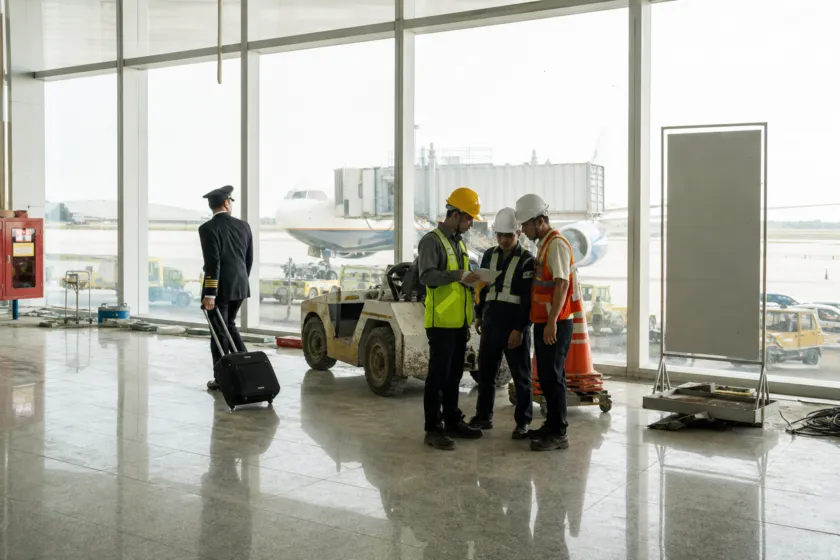
Long Thanh International Airport is set to open in June 2026, and the runway story is already moving fast. Flight tests have been taking place, with domestic operators such as Vietjet and Vietnam Airlines carrying out test flights to and from the airport ahead of full operations. That early activity matters. It signals that airlines and infrastructure partners are preparing processes, teams, and equipment before the passenger surge arrives. The airport is located outside Ho Chi Minh City, and it has been described as intended to become the city’s second airport as well as the country’s largest.
The strategic rationale is clear. The new airport is being built to relieve overcapacity at Tan Son Nhat International Airport. Tan Son Nhat cannot be further expanded due to space constraints, which limits how much demand the city can absorb through its existing primary gateway. For airlines, that constraint shapes everything from schedules to fleet utilization. By adding a new major hub near Ho Chi Minh City, Vietnam positions itself to improve operational resilience, reduce bottlenecks, and create room for growth across domestic and international networks as the 2026 opening approaches.
MRO, Ground Handling, and the Business Ecosystem Taking Shape
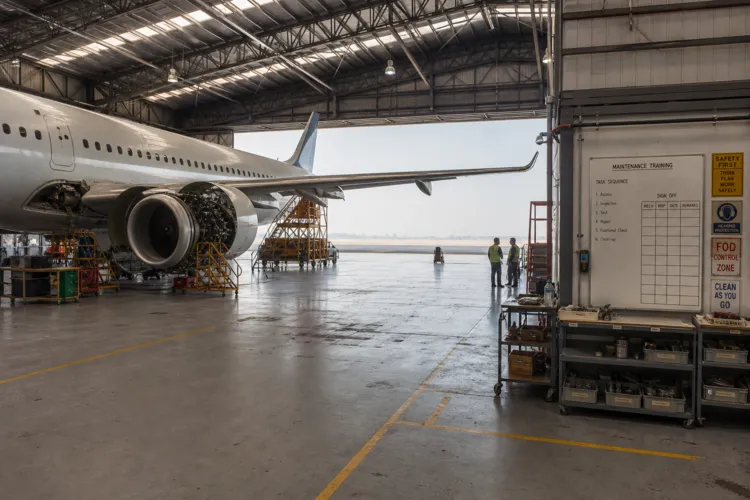
A big part of the “game-changer” impact is not just terminals and runways, but the support ecosystem being built around them. Vietjet broke ground on a new MRO facility at the in-development airport and is investing around $100 million in the project. The facility is designed to handle up to 10 aircraft simultaneously, and the investment includes construction of two aircraft hangars. Vietjet has also said the center is positioned to serve both domestic and international airlines, which points to a broader role for Vietnam in regional aviation support and aftermarket services.
Construction is advancing, too. Vietjet has topped out the new MRO facility, reinforcing the sense that airport-related capabilities are moving from plans to physical assets. When operational, the facility is expected to strengthen regional maintenance capacity, reduce reliance on overseas technical services, and improve cost-efficiency across the airline’s operations, while supporting skilled employment in the aviation sector. In parallel, Vietjet has extended its in-house ground handling operation to major Vietnamese airports, a move it links to improved service quality, operational efficiency, and passenger experience.
Operational milestones are already being recorded at the airfield. Long Thanh International Airport officially welcomed what was described as its first commercial flight, when a Vietnam Airlines Boeing 787 carrying Party and State leaders became the first official flight to land at the new airport. Taken together with continuing test flights and the build-out of maintenance and handling capabilities, these steps show a coordinated ramp-up. By June 2026, the airport is not only expected to be open, but also supported by a growing set of services designed to keep aircraft moving and passengers served efficiently.
When is Long Thanh International Airport expected to open?
Why is the new airport important for Ho Chi Minh City’s air traffic?
What maintenance investment is tied to the new airport?
How is Vietjet positioning its MRO facility beyond its own fleet needs?
What notable early flight milestone has been reported at the airport?