Vietnam’s auto story is shifting from import dependence to electric-vehicle production ambitions, and VinFast sits at the center. Statista describes Vietnam’s local assembled production as modest, with the sector still heavily dependent on imported advanced parts, which helps explain why imported cars remain popular despite high import taxes. Yet Vietnam is also pursuing EV adoption through incentives and infrastructure investment, with a stated target of one million EVs on the road by 2028. For VinFast, that policy backdrop creates a home-market base while the company attempts something harder: proving that Vietnam-made EVs can sell overseas at meaningful scale.
Domestic momentum is real, and it sets the launchpad for exports. Focus2move reports Vietnam’s vehicle market closed Q1 2026 at +36.1%, with the year-to-date tally up to June 2026 at +30.5% and H1 sales at 272,707 units. In the same report, VinFast leads the market with a 42.5% share (+71.6%). The EV segment is expanding quickly: Focus2move says EV sales rose from 49,777 in 2024 to 177,295 in 2025, and it adds VinFast holds about 99% of Vietnam’s EV sector. Statista also notes VinFast delivered over 87,000 electric vehicles in 2024, nearly triple its 2023 volume, underscoring how much its scale depends on the home market.
Export Growth Targets Meet Hard Timelines
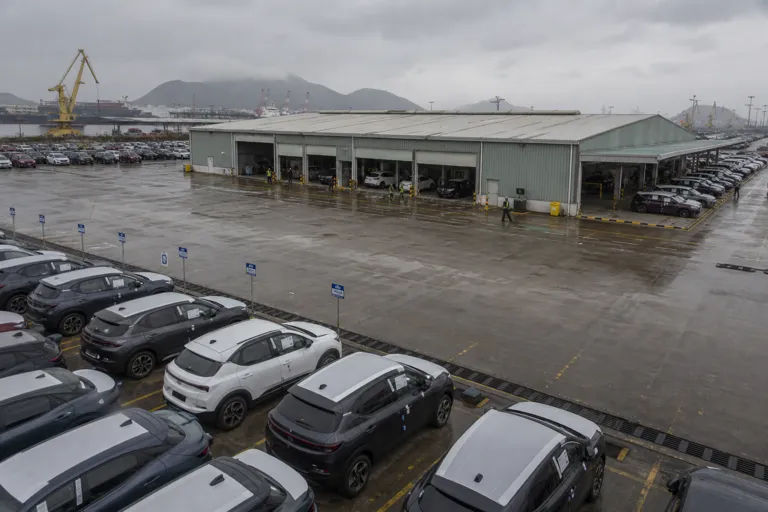
The export bet becomes clearer in VinFast’s own targets and the constraints around them. Just Auto reports VinFast set a goal of selling 300,000 vehicles globally in 2026 after global sales more than doubled to 196,919 last year, up from 97,399 in 2024. The same piece cites a GlobalData forecast that Vietnam’s total light vehicle sales will rise by just 4% to 587,000 units in 2026, which helps explain why VinFast is looking abroad for faster growth. Statista’s EV market overview says VinFast shipped its first electric cars to the U.S. in early 2023, and it describes a U.S. expansion effort that included a North Carolina plant with a 150,000-car annual production target.
But the overseas ramp is not linear. Statista reports that in 2024 VinFast cut its delivery goal from 100,000 to 80,000 units after mid-year sales of only 21,000 electric cars, largely to GSM, a Vietnamese taxi company owned by VinFast’s parent. It also says the North Carolina plant completion was pushed from 2025 to 2028. The company is simultaneously signaling further market entry efforts. Wikipedia notes that in January 2025 VinFast presented the VF 6 and VF 7 at the Bharat Mobility Global Expo in New Delhi as its first models for the Indian market, and it explored a potential second manufacturing facility in Andhra Pradesh, with an investment proposal of around ₹4,000 crore (US$480 million) discussed but no formal commitment announced as of 2026.
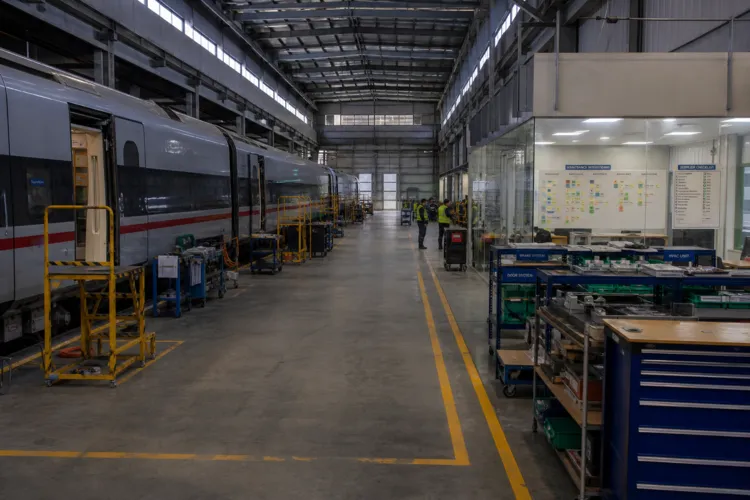
VinFast’s export economics tie back to localization and scale, which also map onto Vietnam’s industrial ambitions. Wikipedia states VinFast set targets of annual capacity of 500,000 units and a 60% localisation ratio by 2025. Mordor Intelligence adds that VinFast aims for 80% domestic content by 2026, with a goal to produce 500,000 vehicles by 2027 and reach 1 million vehicles annually by 2030, arguing that this scale can compress component costs and mitigate exchange-rate exposure. Mordor also cautions that sophisticated electronics and battery management systems remain import-reliant, and it notes the VF3 is priced at USD 9,200. Together, these details show why the vietnam vinfast ev exports narrative is inseparable from building a deeper local supply chain.
How fast is Vietnam’s EV market growing, and what does it mean for VinFast?
What global sales target has VinFast set for 2026?
What happened to VinFast’s U.S. expansion timeline?
What is VinFast doing to increase local content in Vietnam?
What does the Vietnam–VinFast EV exports push depend on besides demand?