Vietnam’s health insurance system is being positioned as a key financial shield as medicine costs rise, especially for serious illnesses. One patient story captures the pressure. After more than two years of breast cancer treatment, Ms. Tran Kim Thu in Hanoi said she spends about VND 40 million each month on targeted therapy drugs, even though health insurance covers a portion. She described how treatment helped keep her condition stable, but the long-term expense creates constant stress. Her case reflects why policy updates around coverage, payment conditions, and access matter for cancer care.
At the policy level, the Ministry of Health is reviewing and updating the reimbursable list that is currently guided by Circular No. 20/2022/TT-BYT (dated December 31, 2022, effective March 1, 2023). That Circular sets a list of 1,037 active pharmaceutical ingredients and biological products across 27 major groups, plus 59 radioactive drugs and markers. Within it, the cancer treatment and immunomodulatory group includes 81 drugs paid by the health insurance fund. In the same framework, the antiparasitic and anti-infective group includes 182 drugs, cardiovascular medicines include 110, and digestive medicines include 75. The list structure is by active ingredient rather than brand, meaning actual reimbursed commercial products can be higher depending on marketing authorisation.
What the Draft Update Adds—and Why Oncology Leads
The draft new Circular is expected to add 84 chemical and biological drugs, and oncology medicines are the largest share of the proposed additions. Multiple briefings state 30 cancer treatment drugs are included, accounting for 35.7% of the 84 proposed new drugs. These oncology additions are described mainly as newly discovered or innovative therapies, including targeted therapies, monoclonal antibodies, and immunotherapy drugs. The draft also proposes 24 drugs for chronic diseases such as cardiovascular, diabetes, respiratory, mental, and urinary conditions, accounting for about 29% of the additions. It also introduces 18 medicines for rare diseases, accounting for 21.4%, and 14 of those 18 rare-disease medicines are cancer treatments, showing overlap between oncology and rare indications.
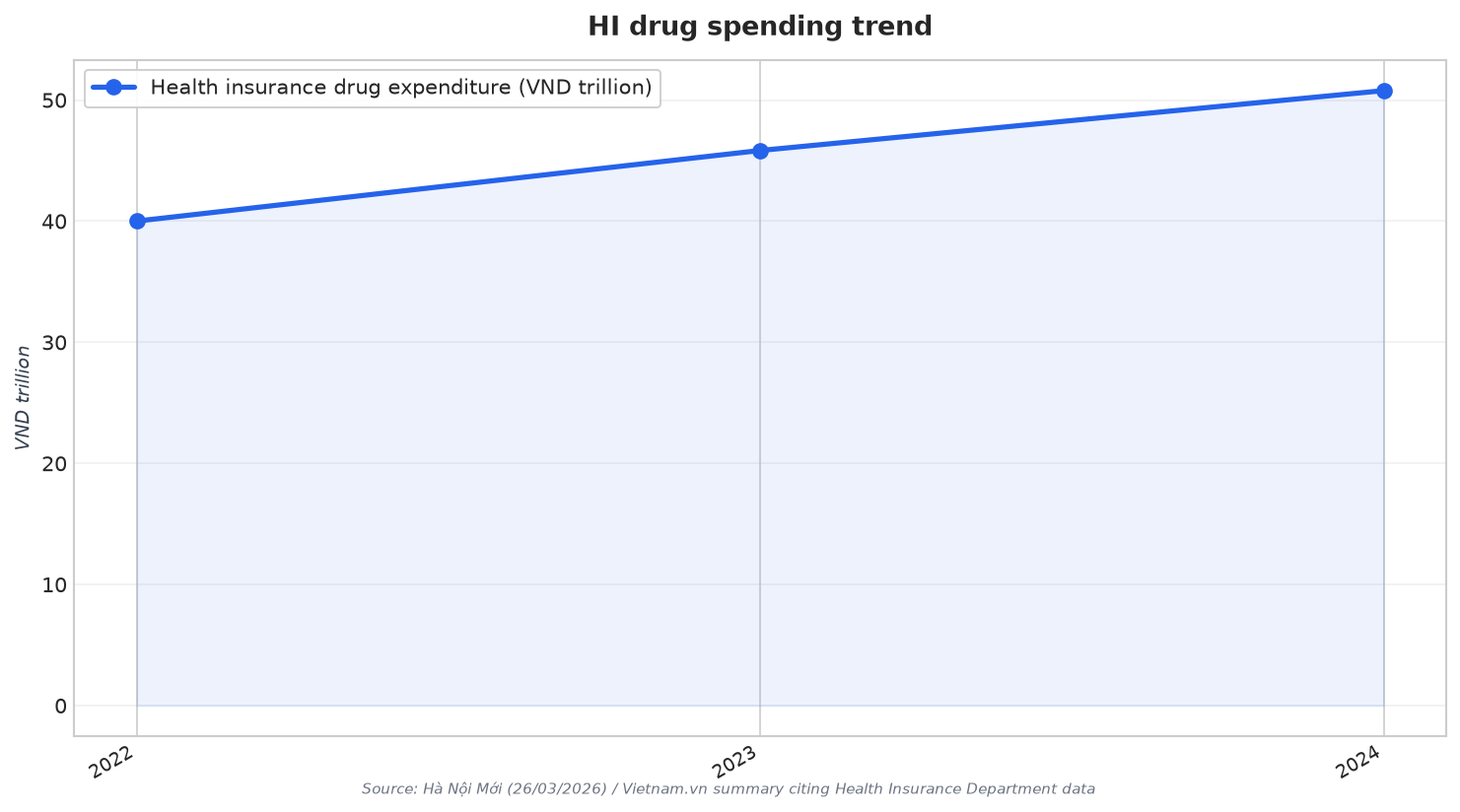
Budget discipline is a central part of the discussion because medicines remain the largest spending item for the insurance fund even as their share trends downward. Health Insurance Department statistics show drug expenses were VND 40.01 trillion in 2022, equal to 33.41% of total expenditure. In 2023, drug expenses increased to VND 45.841 trillion, accounting for 32.82%. By 2024, they reached VND 50.784 trillion, equivalent to 31.22%. Officials say new additions—especially expensive cancer drugs—are being evaluated with budget impact and appropriate payment rates in mind, to reduce direct patient payments while keeping the fund sustainable.
For high-cost medicines, especially those used to treat cancer or rare diseases, the regulator plans reimbursement rates ranging from 30% to 70% depending on drug group and indication. That approach is presented as a way to expand access while managing financial viability. Clinicians also underline that modern cancer care is multi-modal, combining surgery, chemotherapy, radiotherapy, biological therapy, targeted therapy, and stem cell transplantation, which can raise overall costs even as outcomes improve. In this context, Vietnam oncology drug reimbursement is not only about adding items to a list. It is also about the practical rules that determine who can access advanced protocols, at what payment level, and with what protection from long-term out-of-pocket pressure.
How many new medicines are proposed for Vietnam’s health insurance drug list?
How many of the proposed additions are cancer treatment drugs?
What does the current insurance list include for cancer and immunomodulatory medicines?
What do recent figures show about drug spending within the health insurance fund?
How is Vietnam oncology drug reimbursement expected to handle high-cost cancer medicines?