
Vietnam’s crypto regulatory stance changed on January 1, 2026, when comprehensive legislation took effect and digital assets were explicitly recognized as property under the Law on Digital Technology Industry (passed June 2025). Resolution No. 05/2025/NQ-CP (September 2025) then set a five-year pilot program for crypto asset trading markets run by licensed virtual asset service providers, with implementation planned in two phases. This is the backdrop for what many market watchers describe as a vietnam crypto exchange license pilot built to be small by design. Taxation and accounting rules were expected during March 2026, while authorities position the pilot as a new domestic market rather than a direct rewrite of existing offshore activity.
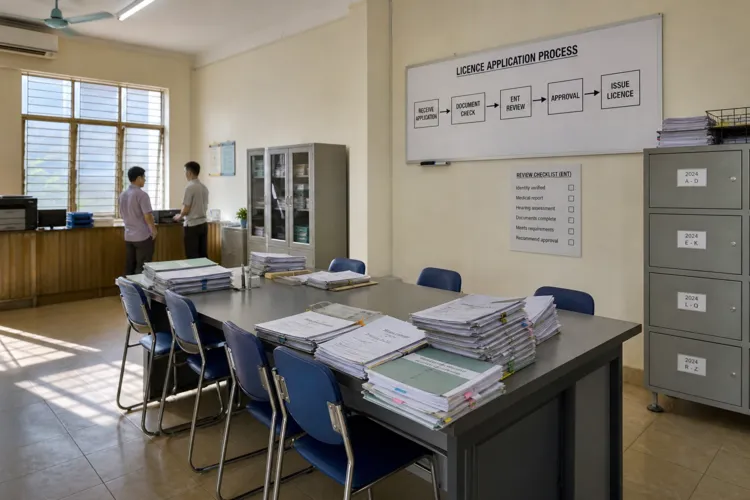
The licensing structure is deliberately restrictive. Collectively, investors must maintain VND 10 trillion (about US$400 million) in charter capital to operate a crypto asset trading market under Resolution 05. Ownership is also engineered for domestic control: 65% of charter capital must be contributed by certain Vietnamese institutions, including banks, securities firms, insurance companies, tech firms, and fund managers, and at least 35% must come from two or more of these institutions. Foreign investors are capped at 49% ownership. Multiple legal analyses note an apparent limit of five licenses for the full five-year pilot, and a separate report said the Ministry of Finance confirmed no more than five licensed operators for the test phase.
What Licensed Exchanges Can (and Cannot) Do in the Pilot
The operational rules further compartmentalize the onshore market. All transactions must be settled in Vietnamese dong, and stablecoins such as USDT are prohibited. Only Vietnamese enterprises can issue crypto assets in the regulated framework, and those assets must be backed by real underlying assets, not securities and not fiat currencies. Analysts argue this design can isolate Vietnam’s regulated segment from global flows, but it also creates a controlled environment with clearer onramps for foreign institutional participation via licensed domestic platforms. In parallel, one analysis estimated that about 21.2 million Vietnamese adults—17% of the adult population—have used cryptocurrency on offshore platforms, with annual transaction volumes said to exceed US$100 billion, yet nearly all trading occurs offshore.
Compliance obligations are closer to those of regulated financial institutions than startups. Full Financial Action Task Force (FATF) anti-money laundering standards are mandatory, including customer due diligence and beneficial ownership verification. Operators must meet Level 4 IT systems security requirements—Vietnam’s highest standard—implying hardened infrastructure, 24/7 monitoring, incident response, and regular security audits. Client assets must be held in segregated accounts at authorized banks, with cold storage solutions for crypto holdings. Operators also face structured reporting requirements, including audited financial statements, trading volumes, user numbers, and compliance metrics, alongside detailed procedures that must be documented and approved before launch.
The people and process requirements are equally specific. The framework calls for a CEO with two years of finance and management experience, a CTO with five years in IT or fintech, at least 10 certified IT security specialists, and at least 10 licensed securities professionals, plus dedicated compliance, legal, and operations staff. One market report added that authorities had received seven license applications, with five deemed valid, reinforcing how narrow the initial sandbox may be. That report also pointed to a second-quarter 2026 launch date set by the Prime Minister, and described a joint regulatory role for the Ministry of Finance and the State Bank of Vietnam. Until dedicated tax rules are finalized, crypto asset transactions are taxed under securities rules as a provisional approach.
What is Vietnam’s crypto exchange licensing pilot, in practical terms?
How many exchange licenses will Vietnam allow during the pilot?
What are the key capital and ownership requirements for a license?
Are stablecoins allowed on Vietnam’s licensed pilot exchanges?
What compliance standards must pilot operators meet?