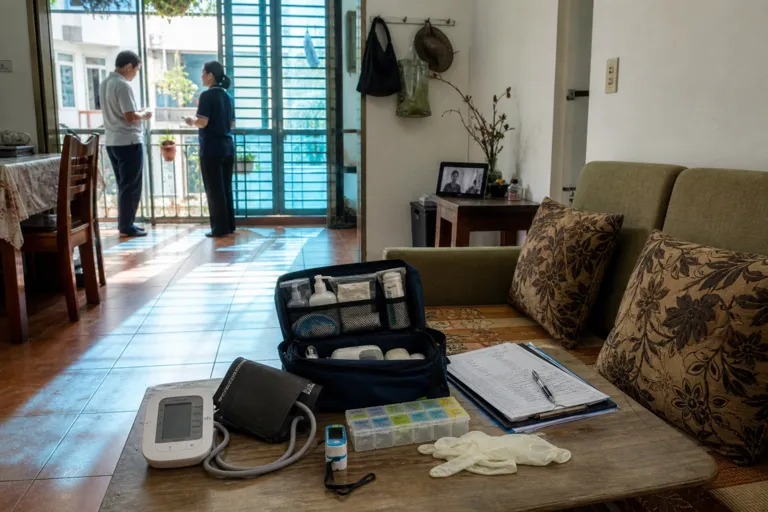
Vietnam is building a stronger case for care beyond hospital walls. The country’s healthcare infrastructure includes 1,718 hospitals and over 350,000 beds, and bed availability was estimated at 34 beds per 10,000 people as of end-2024. Yet demand remains high, with millions of outpatient visits recorded annually, especially in district and central hospitals. At the same time, policy direction is shifting toward prevention and primary care strengthening, supported by initiatives such as Politburo Resolution No. 72 (2025) and the Law on Disease Prevention. This mix of capacity growth, high utilization, and reform creates space for more organized home-based care.
The disease picture also explains why in-home options are gaining attention. In 2025 data cited in market analysis, non-communicable diseases were the leading cause of mortality, accounting for approximately 80% of all deaths, with cardiovascular conditions, cancer, chronic respiratory disease, and diabetes highlighted. MarkNtel Advisors also notes that about 25% of patients in Vietnam’s healthcare system in 2026 were affected by cardiovascular diseases, while cancer impacted approximately 35% of the patient population in 2026. These are conditions that often require long-term monitoring, post-acute support, and recurring visits. As care needs extend over months and years, home-based services can complement facility care rather than replace it outright.
What Vietnam’s Home Healthcare Market Signals About Demand
Market tracking also points to momentum for vietnam home healthcare services as a structured sector. Data Bridge Market Research values the Vietnam home healthcare market at USD 757.57 billion in 2024 and projects it could reach USD 1,264.69 billion by 2032, with a CAGR of 10.32% from 2025 to 2032. Within that same dataset, direct tenders were the largest distribution channel segment in 2024, with revenue of USD 510.51 billion. The report also flags diabetes as the fastest-growing disease segment, with a CAGR of 12.94% during 2024 to 2032. Those signals align with the broader push toward ongoing management and monitoring outside the hospital.
“Home healthcare” in Vietnam is not one single service. The same market segmentation describes a wide menu that includes services, devices, and software. Service types listed range from skilled nursing care and rehabilitation to respiratory therapy, infusion therapy services, hospice and palliative care, companion care, pregnancy care, durable medical equipment services, and technological options such as virtual, remote, or telehealth. On the software side, the report groups hospice solutions, agency software, and clinical management systems. Together, these categories illustrate how home-based care can span urgent support, primary care services, and post-acute care services, depending on patient need and provider capability.
Demographics add another layer to why care at home is emerging as an alternative pathway. Ken Research values the Vietnam elderly care market at USD 2.20 billion and notes that, as of 2024, Vietnam’s population aged 60 and above exceeded 11.5 million, accounting for nearly 12% of the total population. The same source highlights demand for geriatric care and specialized nursing services, and describes a competitive landscape with providers such as Vinmec International Hospital and Hoan My Medical Corporation, along with homecare-oriented names like Nhan Ai Homecare and Medcare Home Health Services. As private capital flows into geriatric hospitals, residential care facilities, and elderly care products reached an all-time high in 2023, the ecosystem around aging-related care is also expanding beyond hospitals.
Why are home-based care options emerging as a hospital alternative in Vietnam?
What services are included in Vietnam’s home healthcare market definitions?
What do forecasts suggest about the Vietnam home healthcare market size?
How does chronic disease relate to care at home in Vietnam?
What are the key drivers behind Vietnam home healthcare services for older adults?